

Determining how much custom embroidery costs is not always straightforward. Pricing can vary based on factors such as design size, stitch count, garment type, order quantity, thread colors, and digitizing requirements.
Whether you’re ordering custom embroidered uniforms, promotional apparel, hats, or branded merchandise, understanding what influences embroidery pricing can help you budget more accurately and avoid unexpected costs.
In this guide, we’ll break down the key factors that affect custom embroidery costs, explain common pricing models used by embroidery providers, and provide realistic cost ranges so you can make informed decisions when planning your next custom apparel project.
Key Pricing Models for Custom Embroidery
One of the biggest factors affecting custom embroidery cost is the pricing model used by the embroidery provider. While every company has its own pricing structure, most embroidery services in the United States use one of two common methods: stitch-count pricing or flat-rate pricing.
Understanding how these models work can help you estimate the cost of embroidery more accurately and choose the best option for your project.
Stitch-Count Pricing: Best for Custom and Detailed Designs
Stitch-count pricing is one of the most widely used embroidery pricing methods. Instead of charging a fixed fee, the provider calculates the price based on the number of stitches required to produce your design.
Generally, more stitches mean:
- Larger designs
- Greater detail
- Longer machine run times
- Higher embroidery costs
Typical U.S. embroidery rates range from $1–$3 per 1,000 stitches, although rates vary by provider and order size.
| 🧵 Stitch Count | 💰 Typical Embroidery Cost |
|---|---|
| 1,000–5,000 stitches | $5–$15 |
| 5,000–10,000 stitches | $10–$25 |
| 10,000–20,000 stitches | $20–$50 |
| 20,000+ stitches | $40–$100+ |
A simple left-chest logo often falls within the 4,000–8,000 stitch range, making it one of the most affordable embroidery applications.
Best for:
- Detailed logos
- Multi-color artwork
- Small and medium orders
- Custom branding projects
Flat-Rate Pricing: Ideal for Bulk Orders
Some embroidery companies use a flat-rate pricing model, charging a fixed amount per item regardless of stitch count (within certain design limits).
This approach simplifies budgeting because customers know the exact price upfront. The larger the order quantity, the lower the per-item cost typically becomes.
| 📦 Order Quantity | 💰 Typical Cost Per Piece |
|---|---|
| 1–10 items | $10–$25 |
| 11–50 items | $8–$18 |
| 50+ items | $5–$12 |
Flat-rate pricing is especially common for:
- Employee uniforms
- Team apparel
- School merchandise
- Promotional products
- Large corporate orders
Which Custom Embroidery Pricing Model Is Better?
Neither pricing model is universally better because the right choice depends on two key factors: project size and design complexity.
If you’re ordering a small quantity of garments with a detailed logo, stitch-count pricing is often the fairest option because you’re paying for the actual embroidery work required. However, as order quantities increase, flat-rate pricing can become more cost-effective and predictable.
Here’s a simple way to think about it:
| 📦 Project Size | 💲 Recommended Pricing Model | ✅ Why? |
|---|---|---|
| Micro (1–10 pieces) | Stitch-count pricing | Better for custom, one-off designs |
| Mid-size (10–50 pieces) | Either model | Depends on design complexity and supplier discounts |
| Large (50+ pieces) | Flat-rate pricing | Easier budgeting and lower per-unit costs |
Design complexity matters just as much as order size.
For example:
- A simple company logo with 4,000 stitches requires less machine time and thread than a detailed logo with 20,000 stitches.
- A design with fine details, gradients converted to stitches, or large filled areas will typically cost more under a stitch-count model.
Example 1: Small Business Order
Imagine a local business wants 10 embroidered polo shirts with a logo containing approximately 6,000 stitches.
Typical pricing might look like:
- Embroidery: $8–$12 per shirt
- Digitizing fee: $30–$75 (one-time setup)
- Garment cost: $15–$30 per polo
Estimated total: $260–$495
In this scenario, stitch-count pricing often makes the most sense because the order volume is relatively small.
Example 2: Corporate Uniform Order
Now imagine a company orders 100 polo shirts featuring the same 6,000-stitch logo.
A flat-rate embroidery provider might charge:
- $5–$8 embroidery per garment
- Reduced or waived setup fees
- Volume discounts on apparel
Estimated total: $2,000–$3,800
While the overall project cost is higher due to quantity, the cost per item drops significantly, making flat-rate pricing attractive for large-scale orders.
The bottom line is that the best way to reduce your overall custom embroidery cost is to match the pricing model to your project’s scale and complexity. Small custom orders generally benefit from stitch-based pricing, while larger, standardized orders often achieve the best value through flat-rate and volume-discount structures.
What Factors Affect the Cost of Custom Embroidery?
Many buyers assume embroidery pricing is based solely on the size of a logo, but the reality is far more nuanced. The final cost of embroidery depends on several variables, including design complexity, stitch count, garment type, order quantity, and setup requirements. Understanding these factors can help you estimate your custom embroidery cost more accurately and identify opportunities to reduce expenses without compromising quality.
1. Design Complexity and Stitch Count
The biggest factor influencing embroidery pricing is the number of stitches required to recreate your design.
Embroidery machines don’t charge based on inches or colors alone—they charge based on the amount of stitching work involved. A simple company logo with basic text may require only 4,000–6,000 stitches, while a detailed crest, mascot, or multi-layered design can exceed 20,000 stitches.
For example:
| 🎨 Design Type | 🧵 Typical Stitch Count | 💰 Estimated Embroidery Cost |
|---|---|---|
| Simple logo | 3,000–6,000 | $5–$15 |
| Medium-detail logo | 6,000–12,000 | $10–$25 |
| Complex artwork | 15,000–25,000+ | $25–$60+ |
A logo featuring small text, gradients converted into stitches, or intricate borders will take longer to produce and therefore cost more.
2. Design Size and Placement
The location and size of the embroidery also affect pricing.
A small left-chest logo is typically the most affordable option because it requires fewer stitches and less machine time. Larger placements require more thread, longer production times, and additional setup.
Common placement examples include:
- Left chest logo
- Hat front panel
- Sleeve embroidery
- Jacket back embroidery
- Full-back designs
For instance, a 4-inch chest logo may cost $8–$15 per garment, while a large back design could cost two to four times more due to the significantly higher stitch count.
3. Garment and Fabric Type
Not all materials are equally easy to embroider.
Standard cotton and polyester apparel typically fall within base pricing. However, specialty fabrics often require additional handling, stabilizers, or machine adjustments.
Examples include:
- Fleece sweatshirts
- Jackets
- Denim
- Towels
- Backpacks
- Performance fabrics
A logo embroidered on a polo shirt may cost less than the same design stitched onto a thick fleece jacket because heavier fabrics require more preparation and machine time.
4. Number of Thread Colors
While embroidery providers don’t always charge directly per color, multiple thread changes increase production time. A one-color monogram is much faster to produce than a six-color corporate logo.
Additional colors may increase:
- Machine setup time
- Thread change frequency
- Production complexity
- Quality-control requirements
This is particularly relevant for detailed logos, sports team branding, and promotional merchandise.
5. Digitizing and Setup Fees
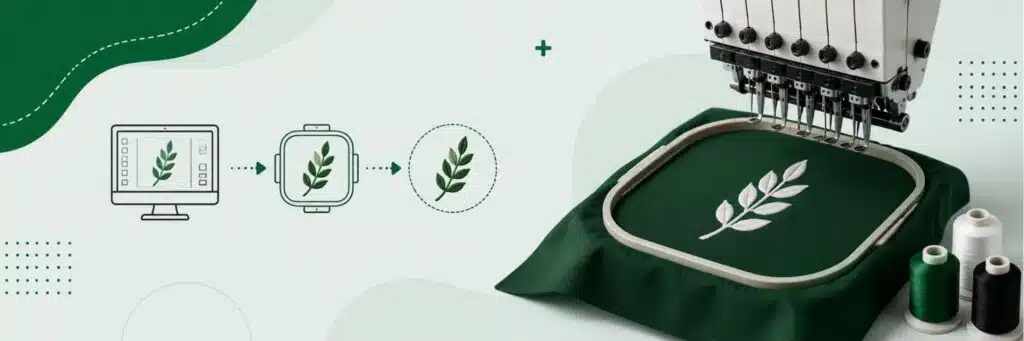
Before embroidery can begin, artwork must be converted into a machine-readable embroidery file through a process called digitizing.
Typical U.S. digitizing fees range from $20–$100, depending on design complexity.
For example:
- Simple text logo: $20–$40
- Standard business logo: $40–$75
- Detailed artwork: $75–$100+
Although digitizing is usually a one-time charge, it can significantly impact small orders.
6. Order Quantity and Volume Discounts
Order size has a major impact on the overall custom embroidery cost.
Most embroidery companies offer tiered pricing, meaning the cost per item decreases as quantity increases.
For example:
| 📦 Quantity | 💰 Cost Per Item |
|---|---|
| 5 shirts | $12–$18 |
| 25 shirts | $8–$12 |
| 100 shirts | $5–$8 |
This happens because setup, machine preparation, and digitizing costs are spread across more units.
7. Rush Orders and Special Requests
Need your order completed quickly? Expect to pay more.
Rush production fees typically add 10–50% to the total project cost. Other premium options that can increase pricing include:
- Metallic threads
- Puff embroidery
- Specialty placements
- Custom patches
- Individual personalization (names or numbers)
A Real-World Example
Imagine a business orders 50 embroidered polo shirts with a 7,000-stitch logo.
The quote might look like this:
- Digitizing fee: $50
- Embroidery: $8 per shirt = $400
- Polo shirts: $18 each = $900
Total project cost: $1,350
In contrast, ordering only 10 shirts with the same logo could increase the per-unit embroidery cost because setup and digitizing expenses are spread across fewer garments.
The key takeaway is that embroidery pricing isn’t determined by a single factor. Design complexity, garment choice, placement, quantity, and setup requirements all work together to influence the final cost. Understanding these variables helps buyers compare quotes more effectively and make smarter purchasing decisions.
Custom Embroidery Cost by Item
One of the most common questions buyers ask is: “How much does embroidery cost for specific products?” The answer depends on the item being embroidered, the design complexity, stitch count, and order quantity.
While the general factors affecting custom embroidery cost remain the same, different products require different levels of labor, machine setup, and handling. Below are typical custom embroidery prices for some of the most commonly embroidered items in the United States.
Hats and Caps
Custom hats are among the most popular embroidered products because they offer excellent brand visibility for businesses, sports teams, schools, and events.
A simple front logo typically requires between 4,000 and 8,000 stitches, making hats one of the more affordable embroidery applications.
| 🧢 Hat Embroidery Type | 🧵 Embroidery Cost Only | 💰 Finished Product Cost |
|---|---|---|
| Simple logo | $4–$10 | $10–$25 |
| Medium-detail logo | $8–$15 | $15–$30 |
| Large or complex logo | $12–$25+ | $20–$40+ |
The final cost of embroidery increases when using specialty techniques such as:
- 3D puff embroidery
- Side-panel embroidery
- Back-of-hat embroidery
- Metallic thread embroidery
For businesses ordering promotional merchandise or school spirit wear, larger quantities can significantly reduce the per-unit cost.
Polo Shirts and Uniform Apparel
Polo shirts are one of the most requested products for corporate branding, employee uniforms, and organization apparel.
A standard left-chest logo usually falls within the 4,000–8,000 stitch range.
| 👕 Product Type | 🧵 Embroidery Cost Only | 💰 Finished Product Cost |
|---|---|---|
| Polo shirts | $5–$15 | $20–$50 |
| Work shirts | $6–$18 | $25–$60 |
| Uniform apparel | $5–$15 | $20–$55 |
For companies utilizing contract embroidery services, volume pricing often makes large uniform orders highly cost-effective. Businesses ordering employee uniforms, branded polos, and corporate apparel can often reduce per-unit costs through larger production runs.
Hoodies, Sweatshirts, and Jackets
Outerwear typically commands higher custom embroidery prices because thicker materials require additional stabilization, machine adjustments, and handling.
| 🧥 Product Type | 🧵 Embroidery Cost Only | 💰 Finished Product Cost |
|---|---|---|
| Hoodies | $8–$20 | $30–$80 |
| Fleece sweatshirts | $8–$20 | $35–$90 |
| Jackets | $12–$30+ | $40–$150+ |
Large back designs can significantly increase pricing because they often exceed 15,000–25,000 stitches.
For example, a simple embroidered chest logo on a hoodie may cost $10, while a large embroidered jacket back could cost $40 or more for embroidery alone.
School Spirit Wear
Schools, booster clubs, and student organizations frequently invest in embroidered apparel because of its durability and professional appearance.
Common items include:
- Hoodies
- Polo shirts
- Varsity apparel
- Staff uniforms
- Team merchandise
Because school spirit wear is often ordered in bulk, suppliers typically offer tiered pricing structures that reduce the embroidery cost per garment as quantities increase. Schools, booster clubs, athletic teams, and student organizations frequently save money by ordering embroidered apparel in larger quantities.
Bags, Backpacks, and Accessories
Accessories often require additional setup due to pockets, seams, zippers, and irregular embroidery surfaces.
| 🎒 Product Type | 🧵 Embroidery Cost Only | 💰 Finished Product Cost |
|---|---|---|
| Backpacks | $8–$20 | $20–$60 |
| Duffel bags | $10–$25 | $30–$80 |
| Tote bags | $5–$15 | $10–$35 |
| Aprons | $5–$15 | $15–$40 |
The larger the embroidery area and the more difficult the item is to hoop, the higher the overall cost.
Towels and Specialty Items
Towels, blankets, and specialty products often have unique pricing structures because they require specialized stabilizers and handling methods.
Typical pricing includes:
| ⭐ Specialty Item | 🧵 Embroidery Cost Only | 💰 Finished Product Cost |
|---|---|---|
| Golf towels | $4–$10 | $10–$25 |
| Bath towels | $5–$15 | $15–$40 |
| Blankets | $10–$30 | $30–$100+ |
These products are commonly used for corporate gifts, hospitality businesses, golf tournaments, and promotional events. You can also order embroidered promotional products to enhance your brand’s visibility.
How Item Choice Affects Overall Cost
The item you choose can dramatically influence your total custom embroidery cost. A simple logo on a polo shirt may cost less than $10 per garment for embroidery, while the same logo applied to a jacket, backpack, or oversized blanket could cost two to four times more due to additional labor and machine time.
As a general rule:
- Hats and polos are the most cost-effective embroidered products.
- Hoodies and jackets fall into the mid-to-premium price range.
- Bags and specialty items often carry handling surcharges.
- Large-volume orders typically achieve the lowest per-unit pricing.
Understanding these benchmarks helps businesses, schools, and organizations estimate the true cost of embroidery before requesting quotes and makes it easier to compare suppliers based on both price and value.
Some organizations also combine embroidery with screen printing, heat transfers, or other apparel customization methods depending on the garment type and design requirements. Exploring different contract decoration services can help businesses choose the most cost-effective branding solution for large apparel orders.
Best Practices to Reduce Custom Embroidery Cost
If you’ve ever wondered how much does it cost to get something embroidered, the answer often depends on decisions made before production even begins. Fortunately, there are several ways to reduce your custom embroidery cost without sacrificing quality or brand impact.
Simplify Your Design
One of the easiest ways to lower embroidery expenses is to simplify the artwork. Designs with fewer details, larger text, and fewer color changes generally require fewer stitches and less machine time.
For example:
- A 5,000-stitch logo may cost significantly less than a 15,000-stitch design.
- Reducing small details can lower production costs while maintaining visual appeal.
- Limiting thread colors can shorten setup and stitching times.
Order in Larger Quantities
Bulk orders almost always reduce the cost per item. Setup fees, machine preparation, and digitizing costs are spread across more garments, creating substantial savings.
For instance:
| 📦 Quantity | 💰 Typical Cost Per Item |
|---|---|
| 10 pieces | Higher per-unit cost |
| 50 pieces | Moderate discount |
| 100+ pieces | Best pricing |
This is particularly beneficial when ordering employee uniforms, event apparel, or company swag programs.
Reuse Existing Digitized Files
Digitizing is usually a one-time fee. If you plan to reorder embroidered apparel in the future, ask your supplier to save your embroidery file.
Benefits include:
- Eliminating repeat digitizing fees
- Faster reorder processing
- More consistent branding across products
Choose the Right Garments
Certain items are easier and less expensive to embroider than others.
Generally, the most cost-effective options include:
- Polo shirts
- T-shirts with embroidered logos
- Standard caps
- Lightweight jackets
Products with thick materials, difficult placements, or specialty fabrics often increase embroidery costs because they require additional handling and machine adjustments.
Consider Alternative Decoration Methods
Embroidery isn’t always the most economical solution, especially for large artwork or high-volume orders.
For example:
- Large back designs may be more affordable through contract screen printing.
- Promotional giveaways may benefit from customized promo products instead of embroidered apparel.
- Large employee recognition programs often combine embroidery with company swag to maximize budget efficiency.
Choosing the right decoration method for the specific application can significantly reduce overall branding costs.
Plan Ahead and Avoid Rush Orders
Rush production frequently adds 10–50% to project costs. Planning your order in advance allows suppliers to schedule production efficiently and helps you avoid expedited fees.
This is especially important for:
- Trade shows
- Corporate events
- School programs
- Holiday promotions
- Team apparel launches
Focus on Long-Term Value
The lowest quote isn’t always the best value. Quality embroidery tends to last for years, making it a cost-effective investment for uniforms, branded apparel, and promotional merchandise.
By simplifying designs, ordering in volume, selecting appropriate garments, and using the right decoration method for each project, businesses can significantly reduce their custom embroidery cost while still achieving a professional, high-quality result.
Stitch Your Brand with Confidence
Understanding how much does embroidery cost becomes much easier once you know the factors that influence pricing, from stitch count and garment selection to order volume and customization requirements. This embroidery pricing guide shows that there is no one-size-fits-all answer—the right solution depends on your goals, budget, and project scale.
If you’re looking for high-quality custom embroidery, Shirt.co offers professional embroidery services for polos, hats, jackets, uniforms, promotional apparel, and more. With expert digitizing, premium stitching, bulk-order capabilities, and personalized support, they help businesses, schools, organizations, and teams achieve the best possible custom embroidery cost while maintaining exceptional quality and long-lasting results.
FAQs About Custom Embroidery Cost
How much does embroidery cost per item?
The cost of embroidery typically ranges from $5–$30 per item for the embroidery itself, depending on the stitch count, design complexity, garment type, and order quantity. A simple embroidered logo on a polo shirt or hat usually costs less than a large, detailed design on a jacket or backpack.
What factors affect custom embroidery cost the most?
The biggest factors affecting custom embroidery cost are stitch count, design size, garment type, placement location, and order volume. Additional charges may include digitizing fees, specialty threads, rush production, and multiple embroidery locations on the same garment.
Is embroidery cheaper for bulk orders?
Yes. Most embroidery companies offer volume discounts that reduce the cost per piece as quantities increase. Businesses, schools, sports teams, and organizations often save significantly by ordering embroidered apparel in larger quantities rather than placing multiple small orders throughout the year.
How much does logo embroidery cost for businesses in the United States?
For most U.S. businesses, logo embroidery costs between $5 and $15 per garment for a standard left-chest logo. The final price depends on the complexity of the logo, the apparel selected, and the total order quantity. Corporate uniforms, company swag, and promotional apparel often qualify for discounted bulk pricing.
What is the best way to reduce embroidery costs?
The best ways to lower embroidery costs include simplifying your design, reducing stitch count, ordering in larger quantities, reusing existing digitized files, and choosing garments that are easier to embroider. Planning ahead can also help you avoid rush-order fees and secure better production pricing.