
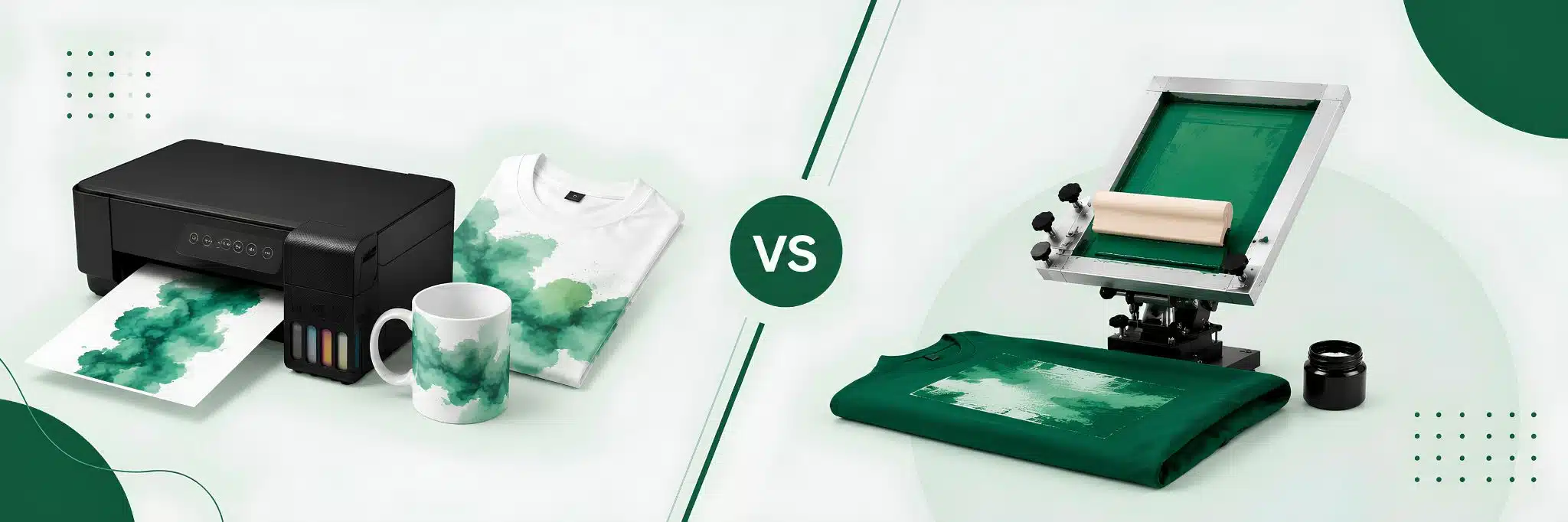

Sublimation vs screen printing is one of the biggest decisions for apparel brands, print shops, POD sellers, and custom merchandise businesses. Both methods can produce durable, professional-quality prints, but they differ heavily in setup cost, fabric compatibility, scalability, print feel, and long-term profitability.
Sublimation printing has become a go-to option for polyester sportswear, photorealistic graphics, and on-demand ecommerce because it offers vibrant all-over prints with no screen setup costs. Screen printing, on the other hand, remains the industry standard for bulk apparel production, bold graphics, cotton garments, and high-margin retail merchandise.
So which one is actually a better option for you?
The answer depends on your artwork style, production volume, target customers, and business model. In this guide, we will break down sublimation printing vs screen printing across print quality, durability, startup investment, scalability, environmental impact, fulfillment models, and profitability to help you choose the right printing method for your business goals.
What is Sublimation Printing and How It Works?
Sublimation is a kind of digital printing in which solid dye ink is used to transfer a design onto a material through heat and pressure. Instead of sitting on top of the fabric like standard inks, the dye chemically fuses directly into the threads. This creates a soft, retail-quality finish that moves naturally with the garment.
In recent years, dye sublimation printing has increased in popularity due to the rising demand for customized apparel and merchandise. Currently, standing at USD 16.4 billion, the market of dye sublimation printing is expected to cross USD 38 billion by 2030 (GrandViewResearch).
How It Works:
- Print the Design: First, you print your graphic onto specialized transfer paper using liquid sublimation ink.
- Apply the Heat: Next, you place the paper onto your garment and clamp down your heat press.
- The Science: The intense heat instantly turns the solid ink into a gas without it ever becoming a liquid.
- The Permanent Bond: At the exact same time, the synthetic fibers of your garment open up. The gassy ink escapes into these open pores, traps itself inside, and cools back into a solid.
Because the ink becomes a literal part of the fabric, your custom apparel will never crack, peel, or scratch away. It creates a smooth, retail-ready finish that lasts the entire lifespan of the garment.
This is a major advantage when it comes to dye sublimation vs screen printing. Because in screen printing, the ink sits on top of a fabric, which makes the transfer more susceptible to cracking or peeling over time, while sublimated ink is deeply embedded into the fabric.
So, sublimation printing becomes a preferred choice for businesses that want custom performance sportswear, swimwear, or high-end athleisure where stretch and breathability are non-negotiable.
If your brand specializes in complex, all-over gradient patterns on light-colored polyester, this zero-setup method allows you to print flawless, premium-priced pieces on demand.
Sublimation printing works best on polyester fabrics and polymer-coated ceramics. Cotton and natural fabrics perform poorly because they cannot absorb sublimation ink properly, often causing ghosting, fading, and uneven color transfer.
What is Possible with Sublimation Printing?
- Performance Sportswear & Athleisure: Sublimation is the industry standard for team jerseys, cycling wear, leggings, swimwear, and yoga apparel.
- All-Over Fashion Prints: Wide-format sublimation allows full-panel, seam-to-seam printing with photorealistic graphics, gradients, and repeating patterns before garment assembly.
- Rigid Substrates: Sublimation also works on polymer-coated hard surfaces like glass, acrylic, fiberglass, plastic, aluminum, and metal panels.
- Signage & Trade Show Displays: It is widely used for soft signage, retail banners, exhibition graphics, and trade show backdrops.
- Home Décor Applications: Interior designers and décor brands often use dye sublimation for customized ceramic tiles, decorative panels, upholstery fabrics, and personalized furnishing products.
- Polyester Fabrics: Polyester remains the core material for sublimation printing.
- Knit Fabrics: Ideal for flags, sportswear, and fashion garments where softness, drape, stretch, and airflow matter.
- Woven Fabrics: Better for durable applications like fabric backdrops, table covers, upholstery, and structured textile displays.
- Photographic Printing: Sublimation printing is one of the best methods for reproducing high-resolution photographs on fabric canvases, photo panels, magnets, apparel, and personalized gift products.
What is Screen Printing and How It Works?
Screen printing is a traditional printing method where ink is pushed through a mesh stencil directly onto fabric or another surface. Unlike sublimation printing, where dye becomes part of the material, screen printing lays thick layers of ink on top of the substrate. This creates bold, vibrant graphics with strong opacity and long-lasting durability.
Screen printing uses plastisol ink, which is made of PVC resin and liquid plastic. It requires high heat (around 300°F–330°F) to cure and solidify, and sits on top of a fabric instead of soaking into it.
Even with the rise of digital printing methods, screen printing remains one of the most widely used apparel decoration techniques in the world because of its low bulk-production cost and highly durable prints. The screen printing market size is estimated to be around USD 8 billion in the previous year.
How It Works:
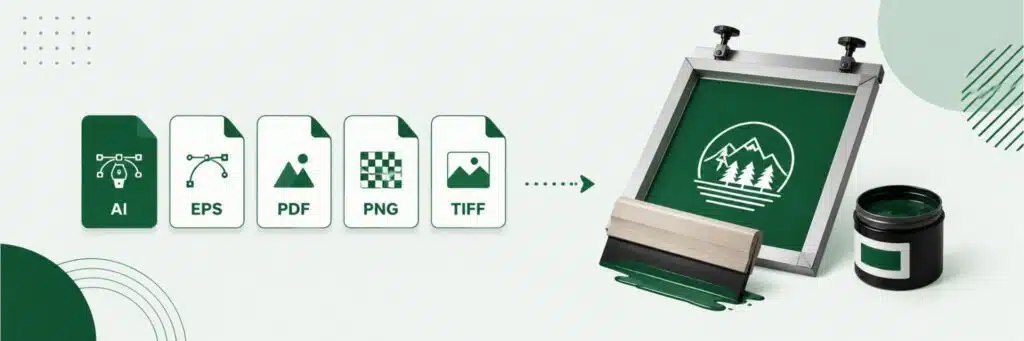
- Design Separation: The artwork is separated by colors because each color requires its own screen. Understanding correctly which file type is needed for screen printing is essential.
- Screen Preparation: A mesh screen is coated with light-sensitive emulsion and exposed to UV light using the design film.
- Stencil Creation: The exposed emulsion hardens while the design area stays soft and gets washed away, leaving open mesh areas for ink flow.
- Ink Application: The screen is placed over the garment, and ink is pushed through the mesh using a squeegee.
- Layer Building: Each color is printed separately in layers until the final design is complete.
- Curing Process: The garment passes through a conveyor dryer where heat cures the ink permanently into the fabric surface.
Because screen printing deposits thicker ink layers, it creates extremely vibrant colors and durable graphics that hold up well under repeated washing and heavy wear.
This becomes one of the biggest differences in sublimation vs screen printing. In sublimation, the dye chemically bonds inside polyester fibers, while in screen printing, the ink physically sits on top of the material. That gives screen printing stronger opacity and better performance on dark garments, cotton apparel, and specialty textures.
Screen printing is often preferred for:
- Bulk t-shirt printing
- Corporate merchandise
- Streetwear brands
- Team uniforms
- Event apparel
- Promotional products
Because screen printing deposits thicker ink layers, it creates extremely vibrant colors and durable graphics that hold up well under repeated washing and heavy wear. If your organization or clothing brand is ready to scale, check out our bulk screen printing services for competitive wholesale pricing and retail-ready quality.
It also supports specialty effects like:
- Puff ink
- Metallic finishes
- Glow-in-the-dark ink
- High-density textures
- Glitter and foil effects
Depending on your brand aesthetic, choosing the right technique is essential. Explore the breakdown of the different types of screen printing methods to learn more about them.
Unlike sublimation, screen printing works extremely well on cotton, blends, polyester, nylon, canvas, and heavy garments. It performs especially well on dark fabrics where sublimation struggles.
However, highly detailed gradients, photographic artwork, and one-off customization become more expensive because every color requires separate setup and screens.
What is Possible with Screen Printing?
- Bulk Apparel Production: Screen printing is one of the most cost-effective methods for large-volume t-shirt and hoodie printing.
- Streetwear & Fashion Brands: Thick ink textures and specialty finishes make it highly popular for premium fashion labels.
- Team Uniforms & Sportswear: Durable prints withstand repeated washing, stretching, and athletic use.
- Corporate Merchandise: Ideal for branded uniforms, promotional apparel, employee shirts, and event giveaways.
- Specialty Ink Effects: Screen printing supports puff ink, metallic ink, reflective finishes, glow effects, glitter, suede textures, and discharge printing.
- Dark Garment Printing: Unlike sublimation, screen printing performs exceptionally well on black and dark-colored garments because of its opaque ink coverage.
- Posters & Signage: Screen printing is commonly used for posters, vinyl graphics, decals, packaging, and industrial signage.
- Heavy Fabrics & Textiles: It works effectively on canvas bags, denim, jackets, fleece, and heavyweight garments where digital methods may struggle.
- Industrial & Commercial Printing: Many industries use screen printing for labels, electronics, control panels, glass printing, and product branding applications.
- Long-Lasting Merchandise: Properly cured screen prints can survive dozens of wash cycles while maintaining strong color vibrancy and durability.
Sublimation vs Screen Printing: Decoding the Key Differences
Sublimation vs screen printing becomes easier to understand once you compare their printing process, fabric compatibility, durability, setup costs, print feel, and production scalability. While sublimation excels at full-color polyester printing, screen printing dominates bulk apparel production with vibrant, durable prints on cotton and dark garments.
Print Quality and Detail
When comparing dye sublimation vs screen printing, print quality depends heavily on your artwork style, fabric type, and the final feel you want. Sublimation printing produces extremely sharp detail, soft gradients, and photorealistic images because the dye fully blends into polyester fibers. That makes it the better option for all-over prints, sportswear graphics, and complex artwork with multiple colors or shading.
The hand feel is also softer. You barely feel the print because there’s no heavy ink layer sitting on top of the fabric. Sublimation also holds detail exceptionally well over time since the dye becomes part of the garment itself.
Screen printing performs better for bold logos, solid graphics, and highly vibrant colors on cotton and dark garments. The thicker ink creates stronger opacity and richer color vibrancy, especially for streetwear and branded merch. Yes, screen printing can do photorealistic prints using halftones, but the setup becomes more expensive and technically demanding.
Print Complexity & Color
When comparing sublimation vs screen printing, sublimation clearly handles complex artwork better. It supports unlimited CMYK colors, smooth gradients, fine lines, digital photos, and all-over prints without extra setup. That makes it ideal for detailed fashion graphics and photorealistic designs.
Screen printing works best for bold vector logos, simple typography, and solid spot colors. However, each color requires a separate stencil, which increases setup time and cost for detailed artwork. Complex gradients and photo-quality prints are possible with screen printing, but they require advanced separations and much more production skill.
If your artwork features photographic elements and you aren’t sure whether to go analog or modern, read our guide on screen printing vs. digital printing to find your perfect match.”
Special Effects
When it comes to specialty finishes, screen printing gives you far more creative options than sublimation. You can create puff prints, metallic inks, glitter effects, neon colors, glow-in-the-dark graphics, high-density textures, gel finishes, and reflective prints. These effects work especially well for streetwear, promotional apparel, and fashion brands that want bold tactile graphics.
Sublimation printing focuses more on smooth visual quality than texture. It excels at vibrant gradients, photo-quality artwork, and seamless all-over prints, but it cannot create raised or textured effects because the dye becomes part of the fabric itself.
If your goal is visual realism and soft feel, sublimation wins. If you want premium specialty effects and textured finishes, screen printing is the stronger choice.
Fabrics and Materials
One of the biggest differences in sublimation vs screen printing is material compatibility. Sublimation works best on light-colored polyester and polymer-coated surfaces because the dye bonds directly into synthetic fibers. That makes it ideal for sportswear, leggings, jerseys, mugs, tumblers, and performance apparel. However, sublimation on dark fabric or 100% cotton does not work well because the ink cannot properly bond with natural fibers.
Screen printing is far more versatile across fabrics and substrates. It works on cotton, polyester, blends, canvas, denim, and even some hard surfaces using specialty inks. If you need vibrant prints on dark shirts, screen printing is usually the better option. It also handles 50/50 poly-cotton blends more consistently than sublimation.
For rigid items, sublimation dominates mugs and coated promotional products, while screen printing can still work on ceramics and signage using industrial setups. Overall, sublimation wins for polyester performance products, while screen printing wins for broader material flexibility.
Cost and ROI
When comparing sublimation vs screen printing cost per unit, the biggest factor is order size. Sublimation has a lower startup barrier for small businesses because you mainly need a sublimation printer, heat press, and transfer paper. There are no screen setup fees, making it ideal for one-offs, print-on-demand, and low minimum orders.
Screen printing equipment cost for beginners is usually higher because it requires screens, inks, dryers, and setup labor. However, once setup is complete, the per-print cost drops significantly for bulk runs. That’s why screen printing becomes more profitable for large orders with simple designs.
If you sell custom short-run apparel, sublimation often delivers faster ROI. For high-volume production, screen printing usually wins on long-term profit margins and scalability.
Print Durability
When comparing sublimation vs screen printing durability, both methods can last for years when applied correctly, but they wear differently over time. Sublimation printing permanently dyes the polyester fibers, so the design will not crack, peel, or feel heavy even after repeated washing. That makes sublimation ideal for sportswear and activewear exposed to stretching and friction.
Screen printing, especially with plastisol ink, is extremely durable on cotton and dark garments. However, over time, thick ink layers may crack or fade if poorly cured or heavily stretched. In screen printing vs sublimation for dark fabrics, screen printing performs far better because sublimation struggles on dark materials.
Sublimation may also fade gradually under long-term UV sun exposure, while high-quality screen prints maintain stronger opacity outdoors.
Environmental Impact
When comparing screen printing vs sublimation environmental impact, sublimation printing is generally considered the cleaner process for small-batch apparel production. It creates very little excess ink waste because the dye transfers directly into polyester fibers. There are also no screens, emulsions, or large water cleanup processes involved.
Traditional screen printing uses plastisol inks, which raise environmental concerns due to PVC content and chemical disposal. However, water-based screen printing is becoming a more sustainable alternative with lower toxicity and softer prints.
For businesses focused on sustainable custom apparel printing, sublimation usually produces less waste, especially for on-demand production and low inventory models.
On-Demand Fulfillment
For POD businesses, sublimation is usually the better fit for on-demand fulfillment. It has no screen setup costs, supports one-off orders, and handles full-color artwork easily, making it ideal for Etsy shops, custom activewear brands, and low-volume personalization.
Screen printing works better for bulk production where large runs lower the per-unit cost. However, setup time and stencil creation make small POD orders less profitable.
For a sublimation vs screen printing business decision, sublimation offers faster scaling for custom, low-inventory ecommerce models.
To streamline your workflow entirely without warehousing stock, you can pair your designs with our automated Online Stores and Fulfillment Services to ship custom gear straight to your customers.
Scalability
When discussing scalability in sublimation vs screen printing, order quantity matters the most. Screen printing becomes more scalable and cost-efficient for large bulk orders because the setup cost gets distributed across hundreds or thousands of prints. That makes it ideal for uniforms, promotional merchandise, retail inventory, and event apparel.
Sublimation scales better for small-batch, custom, and print-on-demand orders. Since there are no screens, setup fees, or color limitations, businesses can fulfill low-quantity personalized orders quickly without carrying excess inventory or committing to large production runs.
Upfront Investment
When comparing startup costs, sublimation printing usually requires a lower upfront investment for small businesses. A sublimation printer, heat press, and transfer paper are enough to begin. Screen printing needs higher initial spending on screens, exposure units, dryers, inks, and multiple setup tools. However, screen printing becomes more cost-efficient as production volume increases.
Sublimation vs Screen Printing: When to Choose What?
Choosing between sublimation vs screen printing depends on your fabric type, artwork complexity, order size, and business goals.
Choose sublimation printing when you need full-color artwork, gradients, all-over prints, or photorealistic designs on polyester garments. It works best for sportswear, leggings, jerseys, POD businesses, and custom one-off orders. Since the ink becomes part of the fabric, sublimation creates a soft hand feel with excellent stretch and breathability. It is also ideal for low-quantity orders because there are no screen setup costs.
Choose screen printing when you want bold logos, vibrant solid colors, and durable prints on cotton or dark garments. It performs especially well for bulk orders, retail merchandise, uniforms, and streetwear graphics. Screen printing offers stronger opacity and specialty ink effects like puff, metallic, glow, and textured finishes that sublimation cannot easily achieve.
In simple terms:
- Go with sublimation for detailed polyester prints and small custom runs.
- Go with screen printing for large-volume cotton printing and bold graphic designs.
The right choice depends less on which method is “better” and more on which one fits your product, design style, and production goals.
Final Thought
Both sublimation and screen printing offer unique advantages depending on your printing goals. Sublimation printing works best for polyester garments, photorealistic graphics, and custom on-demand production, while screen printing remains ideal for bold designs, cotton apparel, and high-volume orders.
Understanding fabric compatibility, print durability, setup costs, and scalability helps you choose the right method for your business or project. Instead of focusing on which method is universally better, focus on which one delivers the best results for your artwork, order size, and target audience.